 Chat with us

Call us now :08071931441
 Send Inquiry
 Send Inquiry
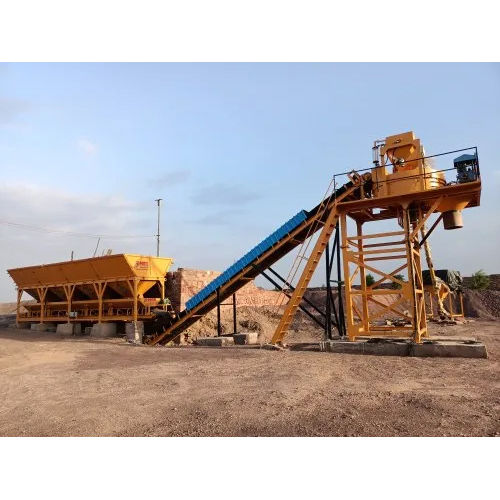
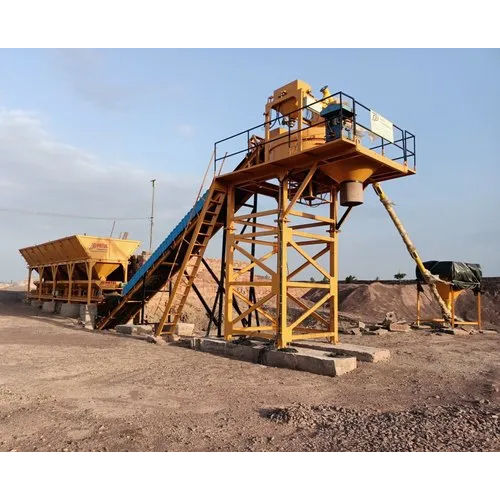
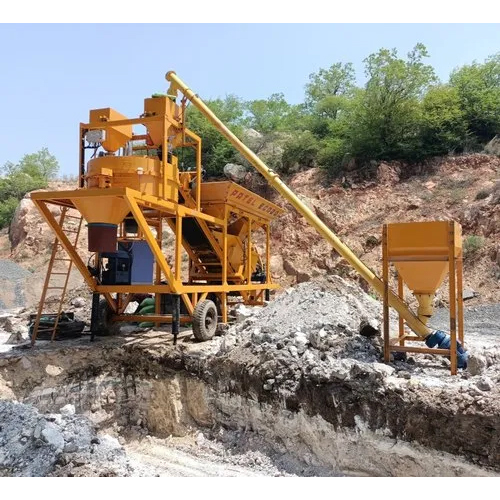
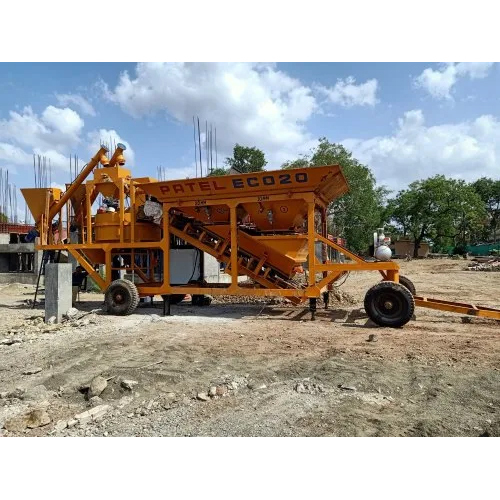
Industrial Concrete Batching Plant
Price 1800000 INR/ Unit
MOQ : 10 Units
Industrial Concrete Batching Plant Specification
- Product Type
- Industrial Concrete Batching Plant
- General Use
- Industrial
- Material
- Stainless Steel
- Type
- Automatic Stationary Batching Plant
- Weight (kg)
- Approx. 12000-15000 kg
- Computerized
- Yes
- Automatic
- Yes
- Control System
- PLC Based
- Power Source
- Electric
- Power Consumption
- 35-60 kW
- Storage Capacity
- 50-120 Tons (aggregate bins)
- Hopper Capacity
- 500-1500 L
- Hopper Quantity
- 3-4
- Conveyor Capacity
- 60-120 TPH
- Mixing Drum Speed
- 20-25 rpm
- Discharging Height
- 3.8 m
- Voltage
- 415 V
- Dimension (L*W*H)
- Approx. 12000 x 3000 x 10900 mm
- Feature
- High efficiency, Heavy duty, Weather resistant, Low maintenance
- Color
- Yellow
- Maximum Productivity
- 30-120 Cubic Meter per hour
- Batch Cycle Time
- 60 seconds
- Aggregate Feeding
- Belt Conveyor
- Electrical Panel
- Pre-wired, Ready to use
- Mixer Type
- Twin shaft or Pan mixer
- Cement Weighing Hopper
- 250-500 Kg
- Mobility
- Stationary
- Water Tank Capacity
- 400-1000 L
- Aggregate Storage Bins
- Multiple compartments with pneumatically operated gates
- Admixture Weighing System
- Yes
- Compressor
- Included for pneumatic operation
- Dust Collection System
- Optional
Industrial Concrete Batching Plant Trade Information
- Minimum Order Quantity
- 10 Units
- Payment Terms
- Cash Advance (CA)
- Supply Ability
- 100 Units Per Month
- Delivery Time
- 10 Days
- Main Domestic Market
- All India
About Industrial Concrete Batching Plant
Specification
| Weight | 1500kg |
| Brand/Make | Patel |
| Water Feeding System | Fully Automatic |
| Material | Mild Steel |
| Automation Grade | Automatic |
| Control System Type | PLC Based |
| Air Compressor | 3 Hp |
| Capacity | 30 cum/hr |
| Model Name/Number | PIST 30 |
Superior Output and Efficiency
This batching plant offers an impressive productivity range of 30 to 120 cubic meters per hour, accommodating both medium and large-scale industrial projects. The 60-second batch cycle time, high-capacity stainless steel aggregate bins, and conveyor system ensure precise ingredient blending and consistent concrete quality, supporting non-stop operations with minimal manual intervention.
Advanced Automation and Control
Equipped with a PLC-based computerized control system and ready-to-use, pre-wired electrical panel, this batching plant delivers user-friendly operation and automated batching. The inclusion of automatic weighing systems for water, cement, and admixtures guarantees accurate dosing, reducing waste and increasing product reliability. The system can be monitored and adjusted for maximum efficiency directly through its computerized interface.
Durable and Low Maintenance Design
Built with weather-resistant stainless steel and featuring heavy-duty components, the plant is engineered to withstand demanding industrial environments. Its robust construction and streamlined maintenance requirements translate into long-term reliability and reduced downtime during usage, making it an excellent choice for concrete producers prioritizing continuous workflow and operational durability.
FAQ's of Industrial Concrete Batching Plant:
Q: How does the aggregate feeding system using a belt conveyor improve batching efficiency?
A: The belt conveyor ensures continuous, high-speed feeding of aggregates into the weighing hoppers, which minimizes downtime between batches and supports precise measurement. This results in faster batch cycles and consistent mix quality, significantly improving overall plant efficiency compared to manual or skip bucket systems.Q: What steps are involved in the operation of this automatic stationary batching plant?
A: The process begins with aggregates being fed into bins, then weighed and transferred by the conveyor system. Water, cement, and admixtures are automatically weighed and discharged into the twin shaft or pan mixer. After a 60-second mixing cycle, the batch is released via the discharge mechanism. All operations are controlled and monitored through a PLC-based system for accuracy and consistency.Q: When is the dust collection system recommended for use with this batching plant?
A: The optional dust collection system is recommended when operating in environments where dust control is required to meet safety or environmental regulations, particularly during cement and aggregate handling. It helps maintain a cleaner worksite, protects operator health, and ensures regulatory compliance.Q: Where can this batching plant be installed for optimal use?
A: As a stationary plant, it is suitable for installation on levelled industrial sites, precast concrete yards, large construction projects, or manufacturing facilities requiring high-volume concrete supply. Its robust build and weather-resistant design allow for outdoor placement with minimal shelter requirements.Q: What benefits do the automatic weighing systems bring to the concrete production process?
A: Automatic weighing systems provide precise measurement of aggregates, water, cement, and admixtures, ensuring uniform mix quality. This automation eliminates manual errors, reduces material wastage, and boosts productivity, resulting in cost savings and consistently high-quality concrete output.Q: How does the plant ensure low maintenance and operational durability?
A: The batching plant is constructed from high-grade stainless steel and heavy-duty components, offering enhanced resistance to wear, weather, and corrosion. Pre-wired electrical panels, a streamlined design, and automated control reduce manual intervention and associated maintenance, maximizing uptime and minimizing service requirements.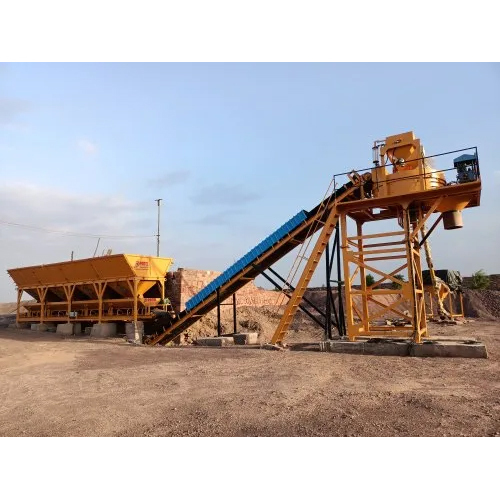
Tell us about your requirement

Price:
Quantity
Select Unit
- 50
- 100
- 200
- 250
- 500
- 1000+
Additional detail
Mobile number
Email

More Products in Concrete Batching Plant Category
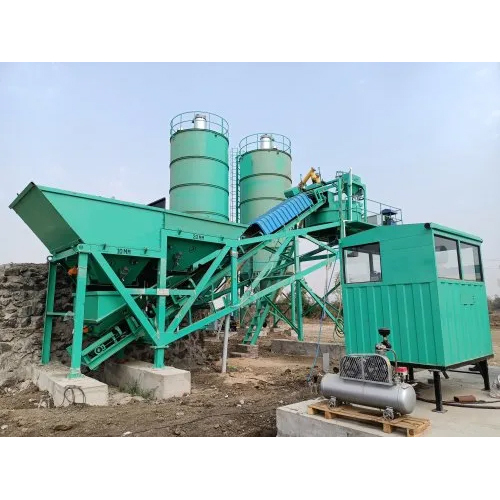
Compact Electical High-performance Advanced Concrete Batching Plant
Price 2400000 INR / Unit
Minimum Order Quantity : 10 Units
Dimension (L*W*H) : Approx. 12000 mm x 4300 mm x 9100 mm
Storage Capacity : 2x50 tons (silo)
Power Source : Electric
Hopper Capacity : 1 m3 to 1.5 m3 (customizable)
Electric Mobile Concrete Batching Plant
Price 2000000 INR / Unit
Minimum Order Quantity : 10 Units
Dimension (L*W*H) : 8500 x 2450 x 3600 mm (varies as per model)
Storage Capacity : 2080 Tons
Power Source : Electric
Hopper Capacity : 5001000 kg per batch
Automatic Mobile Concrete Batching Plant
Price 1800000 INR / Unit
Minimum Order Quantity : 10 Units
Dimension (L*W*H) : 9800 x 2500 x 3000 mm
Storage Capacity : 30 m3/h (Typical Output Capacity)
Power Source : Electric
Hopper Capacity : 4 x 3.5 m3 (Aggregate Bins)

Stationary Concrete Batching Plant
Minimum Order Quantity : 1 Unit
Dimension (L*W*H) : 40 x 8 x 10 Foot (ft)
Storage Capacity : 40 Cubic Meter (m3)
Power Source : Electric
Hopper Capacity : 10 Cubic Meter (m3)

 Send Inquiry
Our Products


52, Nilkanth Industrial Park, Behind Dediyasan Gidc,Mehsana - 384002, Gujarat, India

 Send Inquiry
 Send SMS
Developed and Managed by Infocom Network Private Limited.
